En
En
 De
De 
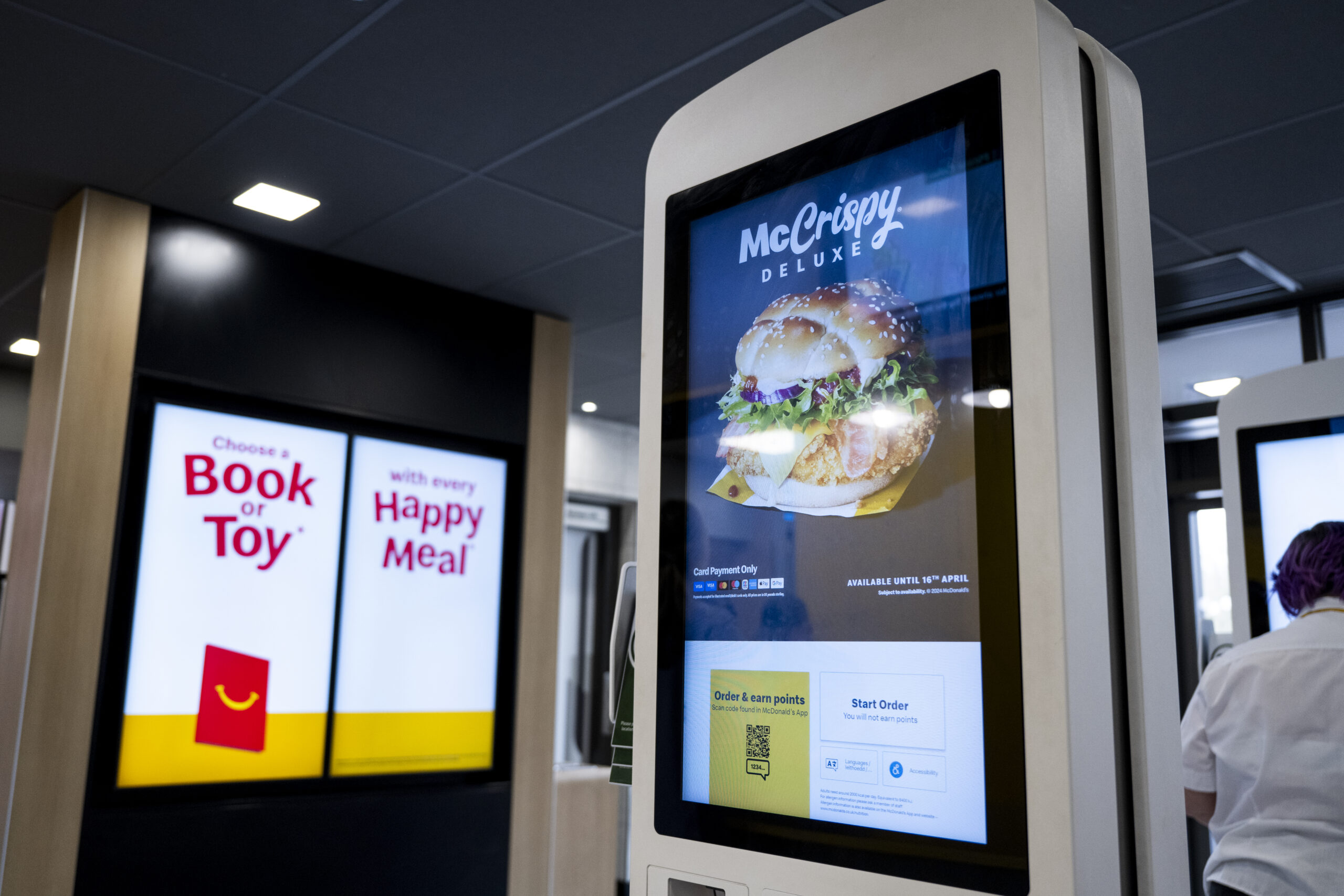
Technology in hospitality and retail is evolving at pace, with new devices, integrations, and rising customer expectations constantly reshaping the landscape. However, in most organisations, it is not the technology itself that creates challenges. It is everything around it. EPoS is no longer just about processing transactions at the till. It sits at the centre of operations, connected to payments, loyalty, reporting, stock, and the wider customer experience. When it performs as expected, everything flows. When it does not, the impact is immediate: queues build, teams become frustrated, and customers notice the disruption.
EPoS Has Changed. Expectations Have Too
A modern EPoS environment is no longer defined by a single system or device but by a connected ecosystem that must perform consistently across multiple sites. These environments need to operate reliably under pressure, integrate seamlessly with wider systems, and scale alongside the business as it grows. The challenge is not choosing the right technology, but ensuring everything works together in real-world conditions. This is where many projects fall short, not at the point of selection, but in how the solution is delivered and supported over time.
Where EPoS Projects Really Break Down
When EPoS projects fail, the root cause is rarely the technology itself. More often, the issue lies in delivery. Infrastructure is frequently underestimated, with connectivity, power, and resilience only becoming priorities once problems emerge. Devices that perform well in controlled environments do not always hold up during peak trading periods, and differences between sites introduce inconsistency across estates. Without a structured and repeatable rollout approach, results vary, and treating go-live as the finish line leaves businesses exposed just as operational pressure increases.
Speed Means Nothing Without Reliability
There is constant pressure to move faster, whether through rapid rollouts, upgrades, or scaling activity across sites. However, speed alone does not deliver value. What matters is reliable delivery at pace. This means getting infrastructure right before devices are installed, standardising processes across every location, and testing in live environments rather than controlled scenarios. It also means building support into the process from the outset, rather than introducing it reactively. When approached correctly, speed and stability work together to deliver stronger, more consistent outcomes.
This is where the 5C’s come in; read more here.
What Good Looks Like in Practice
Strong EPoS delivery is often invisible, and that is exactly how it should be. When systems are working as intended, teams can focus on service rather than managing technology. Transactions flow without delay, devices perform consistently across shifts, and updates happen without disruption. Achieving this level of performance depends on detailed planning, experienced delivery teams, and a consistent, end-to-end approach. It is not simply about installing systems, but about ensuring they continue to perform reliably in live operational environments.
From Rollout to Long-Term Performance
Too many EPoS projects are approached as one-off deployments, but in reality, they are long-term operational systems that must evolve as the business changes. As organisations grow, adopt new technology, and respond to shifting customer expectations, their EPoS environment needs to adapt accordingly. This requires a lifecycle approach that spans design, planning, installation, support, and ongoing optimisation. Without this, systems quickly become difficult to manage and create friction rather than enabling growth.
Why Experience Matters
Every site presents its own challenges, from layout and infrastructure to trading patterns and operational demands. Delivering consistent results across a multi-site estate requires more than technical capability. It requires experience in managing complexity, anticipating challenges, and responding quickly when issues arise. Understanding how to deliver in live environments, under pressure, and at scale is what separates a smooth rollout from a disruptive one.
Keeping You Moving Faster
Technology will continue to move quickly, and that is unlikely to change. The real question is whether your operation can keep up. With the right approach, EPoS becomes a stable foundation that supports growth, enables consistency, and improves the customer experience across every location. By focusing on real-world delivery, long-term performance, and ongoing support, businesses can ensure their technology works where it matters most, in live environments, under real pressure.
What to Do Next
If you are planning an EPoS rollout, upgrade, or review, it is worth assessing whether your current setup is built for how your business actually operates. Identifying gaps early can prevent disruption later and create a more reliable foundation for growth. A structured review can highlight opportunities to improve performance, scalability, and resilience, ensuring your EPoS environment keeps pace with both your business and the wider industry.
Find out all the solutions and services we have on offer to you today, or reach out and contact us here.