 En
En
 De
De 
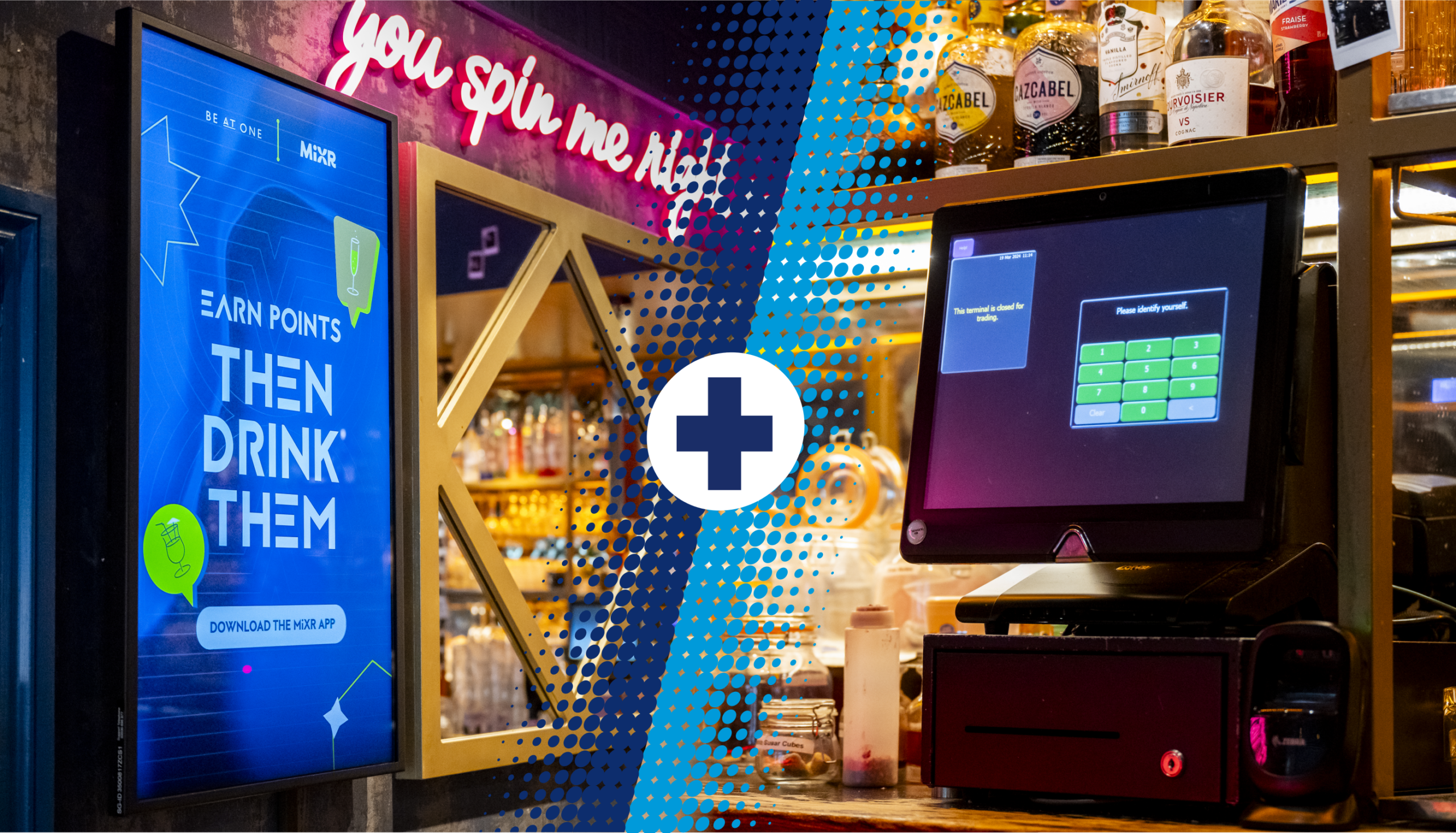
Individually, EPoS solutions and digital media are powerful. Together, they are transformative.
Across hospitality and retail, leading brands are no longer thinking in terms of isolated systems or standalone screens. Instead, they are building connected digital ecosystems where EPoS, digital menu boards, promotional media, and operational platforms work in harmony. The outcome is faster service, stronger data integrity, and a customer journey that feels seamless rather than pieced together. This guide explores how EPoS and digital media complement each other, where organisations often stumble, and how to design a connected experience that scales.
The shift from standalone systems to connected ecosystems
Historically, EPoS and digital media were implemented to solve separate problems. EPoS handled transactions and reporting. Digital media handled menus and promotions. Modern estates demand more. When EPoS solutions are connected to digital media platforms, pricing, availability, promotions, and day-part rules stay aligned automatically. Updates flow from a single source of truth, removing manual changes, reducing errors, and protecting brand consistency. This shift is not about adding complexity. It is about removing friction.
How EPoS solutions and digital media reinforce each other
When designed together, EPoS and digital media actively improve customer flow and operational performance.
- Accurate menus, everywhere – Digital menu boards driven by EPoS pricing and product data ensure customers always see the correct items, prices, and modifiers.
- Promotions that actually work – Offers configured in EPoS can trigger real-time updates across digital screens, ensuring promotional messaging is consistent and measurable.
- Faster service with fewer queries – Clear, accurate digital menus reduce questions at the till, helping teams process orders more quickly during peak periods.
The experience feels intentional, reliable, and professionally managed.
Operational benefits that leadership teams can measure
Connecting EPoS and digital media delivers tangible business outcomes.
- Improved speed of service – Customers make decisions faster when menus are clear and consistent, reducing dwell time at the point of order.
- Stronger governance and compliance – Allergen data, pricing rules, and product availability are controlled centrally through EPoS, reducing risk across the estate.
- Better insight and reporting – When EPoS and digital media are aligned, brands gain clearer visibility into product performance, promotional effectiveness, and customer behaviour.
For leadership teams, this means fewer surprises and better-informed decisions.
What a connected EPoS and digital media rollout involves
Successful connected deployments are built on planning, not patching.
- Infrastructure alignment – Power, networking, and physical screen placement must support both EPoS and media requirements from day one.
- Content and data strategy – Clear rules define how product data, pricing, and promotions flow from EPoS into digital media platforms.
- Ownership and accountability –IT, operations, and marketing teams must align early, with agreed responsibilities for data accuracy, content updates, and support.
The strongest programmes treat EPoS as the foundation, not just the till. Find out more about how managed services can support at evey level of an effective installation rollout, here.
Timelines: designing once, scaling with confidence
A connected approach simplifies delivery over time.
- Discovery and design – Joint planning sessions define technical architecture, screen layouts, and data flows. This stage typically runs for a few weeks.
- Pilot phase – A small number of sites validate integration, operational impact, and customer response before wider deployment.
- Estate-wide rollout – With standards locked down, rollouts can progress efficiently using pre-configured EPoS environments, coordinated installs, and centralised support.
Doing it properly upfront avoids costly rework later.
Real-world experience from hospitality and retail
Celestra delivers connected EPoS and digital media solutions across some of the UK’s most recognisable hospitality and retail brands.
Our work with organisations such as McDonald’s, Costa, Moto, and Starbucks brings EPoS, digital menu boards, promotional screens, and back-office systems together into a single, scalable model. Each deployment is designed to support operational resilience as well as customer experience.
Explore these integrated programmes in our case studies and portfolio here
Common mistakes when connecting EPoS and Digital Media
Even mature organisations can encounter issues when systems are treated in isolation.
- Treating digital media as marketing-only – Without EPoS integration, screens quickly fall out of sync with live pricing and availability.
- Underestimating data accuracy – Digital media only performs as well as the data driving it. Poor EPoS data hygiene causes customer confusion and operational friction.
- Insufficient support planning – Connected systems require proactive monitoring and long-term support, not just installation.
Avoiding these mistakes protects both performance and reputation.
What to do next
If you are planning an EPoS upgrade, digital media refresh, or both, the smartest approach is to design them together.
Celestra offers a free 30-minute planning call to discuss connected digital strategies, covering feasibility, costs, timelines, and operational risks. We also provide a combined rollout checklist to support internal alignment before investment decisions are made.
A short conversation now can safeguard long-term success.
Frequently Asked Questions
Do EPoS solutions and digital media need to be implemented at the same time?
Not necessarily, but planning them together ensures compatibility and avoids future rework.
Can existing digital screens be connected to a new EPoS platform?
Yes, provided the media platform supports integration with the chosen EPoS solution.
Who should own connected EPoS and digital media systems internally?
Successful programmes typically involve shared ownership across IT, operations, and marketing, with clear governance.
What is the biggest risk in connected EPoS and digital media projects?
Siloed decision-making. Early collaboration and experienced delivery partners significantly reduce this risk.
