En
En
 De
De 
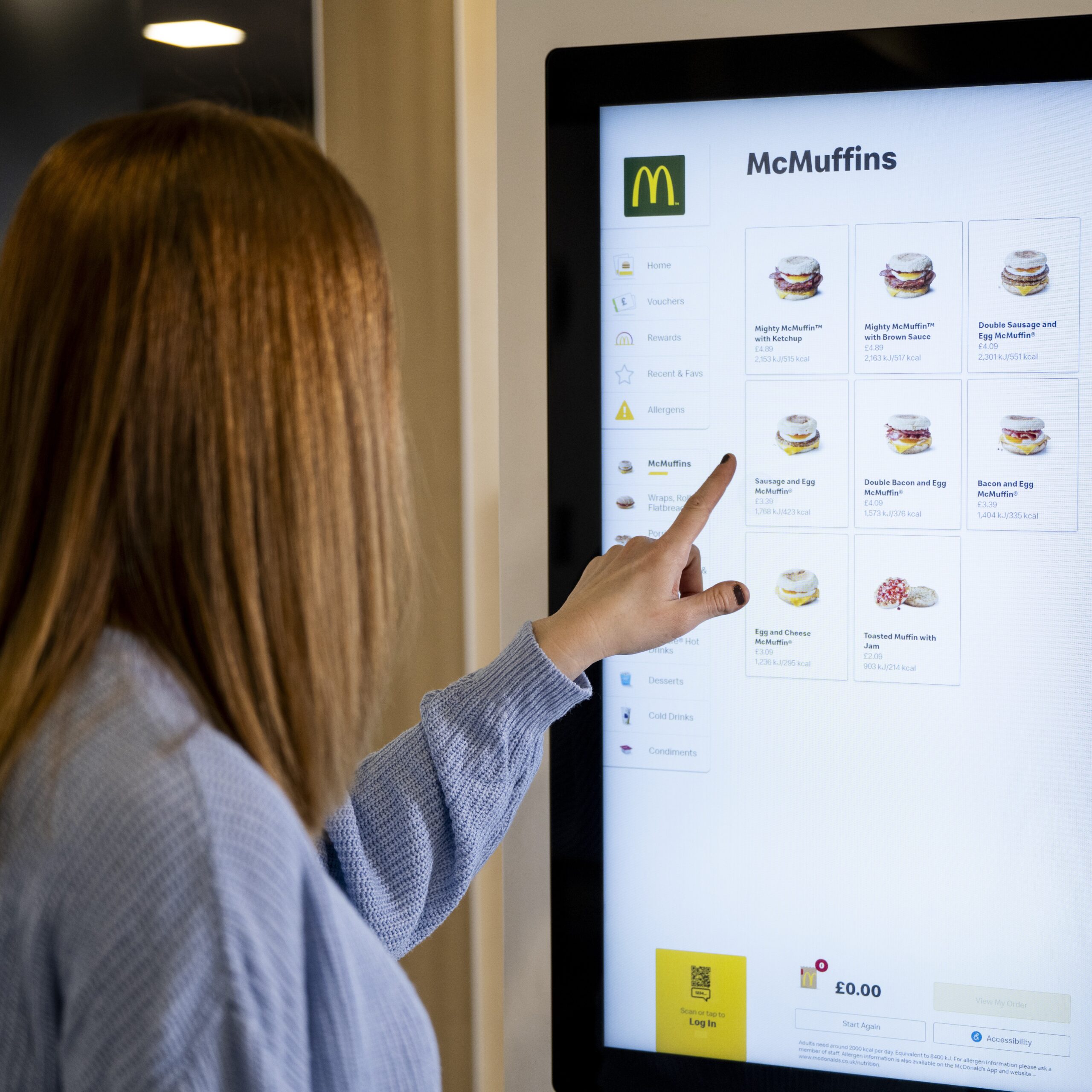
Friction is the enemy of modern retail. Customers may not be able to define it, but they feel it instantly. A slow till. A frozen screen. A staff member rebooting hardware mid-queue while offering an apologetic smile. In 2026, these moments will not just be inconvenient; they will be unacceptable.
The good news is that zero friction is not about chasing shiny technology for the sake of it. It is about readiness. Robust foundations. And smart, almost invisible innovation is working quietly in the background. Welcome to the Zero Friction Checklist. A practical way to audit whether your store technology is truly ready for what comes next.
1 – Is Your EPoS Hardware Fit for Modern Retail Reality?
Let’s start with the unglamorous truth. No amount of clever software can save outdated hardware.
Many estates are still running EPoS equipment that was never designed for today’s demands, let alone 2026. Touchscreens are nearing the end of their life. Processors are struggling under modern workloads. Peripherals that work fine until they very suddenly do not.
Ask yourself:
- Is your EPoS hardware more than five years old?
- Are performance issues accepted as “normal”?
- Do updates take longer than they should?
- Are replacement parts becoming harder to source?
If the answer is yes to any of the above, friction is already creeping in.
A proactive hardware refresh is not a cost exercise. It is an insurance policy against downtime, queue abandonment, and staff frustration. Modern EPoS platforms are faster, more resilient, and designed to support AI-driven services without breaking a sweat.
In short, if your hardware cannot comfortably support what you want to run tomorrow, it is already holding you back today.
2 – Are You Designing for Speed, Not Just Stability?
Stability used to be the benchmark. Now speed is the differentiator.
Customers expect transactions to feel instant. Staff expect systems that respond as quickly as they do. Hardware refreshes should prioritise processing power, memory headroom, and peripheral responsiveness.
This is where many audits fall short. The equipment technically works, but it is not optimised for:
- Real-time pricing and promotions
- AI-assisted upselling prompts
- Integrated loyalty and payment services
- Data-heavy reporting in the background
Zero friction means removing micro-delays that customers notice subconsciously. The pause before a receipt prints. The lag between tapping and confirmation. Individually minor. Collectively damaging.
3 – Is AI Supporting the Store, Not Showing Off?
AI does not need to announce itself to be valuable. In fact, the best AI is invisible.
By 2026, successful retailers will not be asking “Do we use AI?” They will be asking, “Is AI quietly improving every interaction?”
Invisible AI shows up as:
- Predictive maintenance flagging failing hardware before it causes downtime
- Intelligent transaction monitoring reduces errors and fraud
- Smart stock prompts that help staff act faster, not think harder
- Automated performance insights delivered without manual reporting
The key question is whether your current EPoS infrastructure can support these capabilities without bolt-ons and workarounds. AI should feel native, not glued on.
If your systems require visible intervention, frequent manual input, or complex workflows, friction is already winning.
4 – Can Your Store Run Brilliantly Without Thinking About IT?
This is the true test of readiness. Zero-friction stores are not ones where technology is impressive. They are ones where nobody notices it at all.
Audit your operation honestly:
- How often do staff call support for basic issues?
- How frequently does IT intervention interrupt trading?
- How much tribal knowledge exists just to keep systems running?
If your team spends time thinking about the technology instead of the customer, something is misaligned. Modern EPoS environments should be centrally managed, remotely monitored, and supported by partners who spot problems before they reach the shop floor. The aim is operational silence, not noise.
5 – Are You Refreshing Strategically or Reacting Tactically?
Perhaps the most important checklist item of all. Hardware refreshes and AI adoption should not be reactive. Waiting for failure is the most expensive strategy available.
A zero-friction approach means:
- Planned refresh cycles aligned to business growth
- Standardised hardware estates for easier support
- Futureproofing for software and AI evolution
- Clear accountability for rollout and long-term support
Retailers who audit now, rather than rush later, will enter 2026 calm, confident, and competitive. Those who delay will be firefighting at peak trading. History is very clear on how that story ends.
Final Thought: Friction Is Optional
Zero friction is not a buzzword. It is a mindset. It starts with honest audits, sensible hardware refreshes, and AI that works quietly behind the scenes to make everything better without demanding attention. The stores that win in 2026 will not feel futuristic. They will feel effortless. And in retail, effortless is everything.